In case I haven't said it recently, our world is an amazing place.
Friday, June 7, 2013
Video: House Of The Sun - Timelapse Over Maui
I've posted some spectacular timelapse videos on occasion here, but few can rival this one. It was shot on Haleakala, a gigantic dormant volcano in Hawaii and what make it so spectacular is the dramatic shifts in light as the thick clouds and fog give way to a beautiful sunrise. It really is a sight to behold and should make for a perfect ending to the week. I hope you enjoy it as much as I did and a tip of the cap to filmmaker Dan Douglas for sharing with all of us.
In case I haven't said it recently, our world is an amazing place.
House of the Sun from Dan Douglas on Vimeo.
In case I haven't said it recently, our world is an amazing place.

Video: Why Climb? - In Celebration Of 100 Years On Denali
Today marks the 100th anniversary of the first summit of Denali, the tallest peak in North America at 6194 meters (20,320 ft). A century after that first ascent the mountain remains a challenging and difficult climb, but one that is sought after by mountaineers from across the globe. The video below, which comes are way from the National Park Service, not only celebrates this occasion but also serves as a great reminder of why we climb. As if we need to be reminded! Excellent video for an important anniversary. Enjoy!
Video: Climbing Big Walls In Greenland
On a recent climbing trip to Greenland, Mike Libecki, Angie Payne and Ethan Pringle discovered a new route up a massive rock tower. With just three days to go until their boat arrived to pick them up, they decided to give it a go. It turned out to be a fantastic route and the short film below chronicles taht adventure, complete with nights spent bivvying on tiny rock ledges.
The video has it all. Beautiful landscapes, dramatic climbing and a big payoff at the end with the first ascent of a 3000-foot (914 meters) rock-face competed over about 60 hours. Excellent stuff and a nice look at what goes into a big wall climb.
The Journey | Three Whole Days from Mountain Hardwear on Vimeo.
The video has it all. Beautiful landscapes, dramatic climbing and a big payoff at the end with the first ascent of a 3000-foot (914 meters) rock-face competed over about 60 hours. Excellent stuff and a nice look at what goes into a big wall climb.
Explorers Hope To Complete Scott's Fatal Antarctic Expedition

Ben and Tarka intend to set off from the same cabin that Scott used when he launched his expedition more than a century a go. They'll get underway in October of this year with the hopes of completing the epic journey in approximately 110 days. They'll make the trip without resupply as well, which would make this the longest unsupported polar journey in history.
Scott, who remains a legendary figure in British exploration more than 100 years after his death, famously raced Amundsen to the South Pole to claim the honor of being first to reach that point. Using knowledge from his years spent in the Arctic, Amundsen and his men were able to move faster than the Scott party and as a result were able to plant the flag of Norway at 90�S several weeks before the arrival of the Brits. Dejected and defeated Scott and his men set out on their return journey with heavy hearts. That journey proved fatal to all of the remaining men, with Scott himself, along with Edward Wilson and Henry Bowers, perishing in a tent after getting caught in a blizzard that raged for days. Sadly, they were just 11 miles away from "One Ton Depot," a supply cache that would have given them food and fuel that would have allowed them to survive.
Saunders and L'Herpiniere won't be facing such dire consequences when they launch their expedition later this year. Still, it will take a herculean effort on their part to complete this journey. We haven't seen a lot of success on these round-trip expeditions to the South Pole and they will be taking a route that is far from the tried and true Hercules Inlet starting point.
The 2013 Antarctic season is still months away, but I'm already starting to look forward to it.
GoPro Mountain Games Underway In Vail

The events kicked off yesterday with a light schedule to get things started but things will pick-up considerably today as we head into the weekend. As usual, there are a number of great outdoor sports for athletes to take part in with bouldering, slacklining and slope style mountain biking taking center stage today. The number of events really ramps up tomorrow as climbing, kayaking, cycling and many other competitions begin, and of course the battle for the title of the King of the Mountain kicks into full gear as well.
Of course, there will be plenty to do for spectators as well. In addition to cheering on these amazing outdoor athletes, the Adventure Village returns to give kids an opportunity to learn more about the sports they're watching while Gear Town will be a great place to check out new outdoor equipment and possibly even score some killer deals. As always, there will be plenty of live music, parties, food and photo competitions to help keep everyone entertained.
For a full list of events and to get more details on the GoPro Mountain Games, click here. If you're in the neighborhood this weekend, it looks like this will be a fun event worth checking out. And if you're up to it, you might still be able to get involved in some of the competitions.
Thursday, June 6, 2013
The Rest of Everest Episode 190: 5 Dudes In A Tent
In need of your weekly mountaineering fix? The latest episode of The Rest of Everest has arrived just in time to help with that addiction. This week we continue to follow climber Brian Block and his team as they start to acclimate to Broad Peak prior to setting out for their eventual target, the always imposing K2. The team has been busy getting ready for the challenges ahead, but bad weather is about to send them back to Base Camp for a time.
One of the things that I have always loved about this video podcast is how it shows all aspects of an expedition, even if that entails the team just hanging out in BC. It is all part of the process of climbing these big peaks, where patience is often rewarded.
One of the things that I have always loved about this video podcast is how it shows all aspects of an expedition, even if that entails the team just hanging out in BC. It is all part of the process of climbing these big peaks, where patience is often rewarded.
Video: Connecting Adventurers And Scientists
Gregg Treinish is a 2013 Nat Geo Emerging Explorer and the founder of Adventurers and Scientists for Conservation. That organization connects outdoor enthusiasts, explorers and extreme athletes with scientists who are looking for samples or data to help them in their research. By working together, the outdoor crowd can help collect that data and get into the hands of scientists who may not have had an opportunity to get it before. It is a novel concept � kind of like crowd-research � and I think it is a brilliant idea.
The video below profiles Gregg and what he is attempting to accomplish with ASC. It is also the first in a new four-part series that will profile similar me and women who are having a positive impact on our world.
Gregg Treinish, A MoveShake Story from RED REEL on Vimeo.
The video below profiles Gregg and what he is attempting to accomplish with ASC. It is also the first in a new four-part series that will profile similar me and women who are having a positive impact on our world.
Video: Timelapse Through Western Australia
Covering more than 2,529,875 square kilometres (976,790 sq mi), Western Australia is the largest state in Australia, covering nearly a third of the continent. With that much open space, you have to think that there are some pretty impressive outdoor playgrounds there and the video below pretty much confirms that. It is a timelapse film shot over five months and capturing some of the more memorable locations. Much like the rest of Australia, it looks wild, rugged and stunningly beautiful. Enjoy!
Made in WA, Australia from Eddie Peter Hobson on Vimeo.
Expedition Denali Heads To Alaska
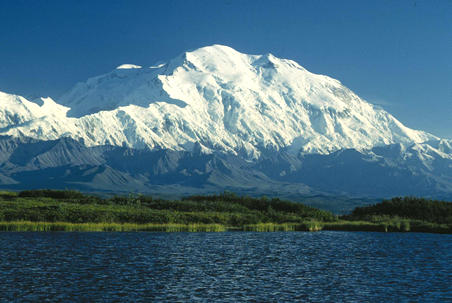
As the expedition name implies, the team has set its sights on the 6194 meter (20,320 ft) Denali (aka Mt. McKinley) in Alaska. The 2013 climbing season is already in full swing there with a number of climbers already topping out. After a nasty season last year, during which the weather prevented most teams from summiting, things have been much better so far this spring. Whether or not that continues to be true remains to be seen.
The Expedition Denali crew is now starting to gather in Palmer, Alaska, which will serve as their proving ground before heading to the mountain itself. It will be a few days before they actually reach Base Camp, but you can follow their progress on their blog, Facebook page and Twitter feed.
Prior to setting out the team was happy to announce that their Kickstarter campaign was fully-funded. They were looking to raise $107,000 to create a documentary film about their adventure and when the clock wound down on their fund-raising efforts, they actually exceeded their goal by bringing in $111,125. That means that we should see an excellent film about this project in the future.
Expect to hear a lot more about this team in the days ahead. As I mentioned, their efforts to increase diversity in the outdoors is making this a high profile climb for sure. That means we shouldn't have too much difficult following along with their progress on the mountain and getting updates throughout the Denali season.
Good luck to the entire team!
Adventure Tech: Samsung Announces A Ruggedized Galaxy S4

As the name implies, the new Galaxy S4 is designed with the active user in mind. In addition to the usual host of features found on the standard S4 (1.9 GHz quad-core processor, eye tracking technology, 8-megapixel camera, etc.) this model has been built to withstand a little more punishment. For instance, it is dust proof and water resistant up to one meter for 30 minutes of time. It even comes with a water resistant earphone jack, allowing the user to listen to his or her music in more demanding environments. It has a long last 2600 mAh battery and a touch screen that can be operated even while wearing gloves. That comes in very handy while hitting the slopes with friends or simply heading out on the town in the colder months. A new "Aqua Mode" has been added tot he camera as well which gives you the chance to snap crisp, clear photos even while submerged in water. The S4 Active even has a built-in flashlight option that can help you find you way back to the trailhead at the end of the day.
The S4 Active runs the latest version of the Android operating system (4.2.2 Jellybean) which grants full access to the Google Play store, as well as numerous special apps directly from Samsung themselves. For instance, "S Travel" offers travel assistance and local information while on the road while "S Translator" helps interpret a variety of languages when visiting foreign lands. The phone tips the scales at 151 grams (5.2 ounces), which makes it slightly heavier than the standard Galaxy S4, but hardly something you'll notice while carrying it.
We've obviously seen ruggedized smartphones before but with Samsung throwing their hat into the ring, it is clear that his is a market that will be receiving more attention in the future. That means more options for those of us who absolutely must have our phones with us no matter where we go. Samsung makes the best smartphones on the market (outside of Apple) in my opinion, so having this as an option is a good things.
Pricing has yet to be announced but the standard S4 is about $200 on a new contract. the S4 Active will probably be a bit higher than that.
Wednesday, June 5, 2013
Video: This Is Africa
If you've read my blog for any length of time, you know that I am completely captivated by Africa. It is an incredible place with plenty of adventure for any one lifetime. The video below gives us a glimpse of the amazing landscapes, wildlife and people that can be found there. It was shot by filmmaker Benjamin Dowie, who recently visited Uganda and Tanzania. His short film captures many of the aspects of Africa that appeal to me and it makes me want to return again soon.
THIS IS AFRICA from Benjamin Dowie on Vimeo.
Paddlemag Website Gets A New Look, Comes To iOS And Android

A new issues isn't the only thing that the editors at Paddlemag have brought to the table. They've also launched a revamped website that is clean, easy to navigate and provides plenty of news and information from all aspects of paddling sports. It also provides access to the previous issues of the magazine, which are available to download as well.
Perhaps more exciting is that Paddlemag is now available in the Apple's App Store and Amazon's Kindle Store. The apps are free to download, but the individual issues are AUS $4.50 (US $4.28), which is actually a solid deal for a fully interactive digital magazine of this quality.
If you haven't checked out Paddlemag just yet, drop by the website and download an issue. I think you'll find that it is a fantastic magazine that will change your perceptions of what is being done in the digital arena.
Video: Saving Patagonia's Wild Rivers
A new web video series has just launched entitled "Rios Libres: Environmental Dispatches." The four-part series explores the threats to Chile's rivers and the unique challenges that the people of that country are facing in order to save their wild spaces, including Patagonia, one of the most spectacular wildernesses on the planet.
The issue is that large conglomerates are planning to place five dams along two major rivers in Patagonia. Those dams will have a massive effect on the rivers and the ecosystems that surround them. In the video below, which is Episode 1 of this new series, we meet some of the people that live in Patagonia and get their thoughts on what the Baker and Pascua rivers mean to them.
Episode 1- The People from Rios Libres on Vimeo.
The issue is that large conglomerates are planning to place five dams along two major rivers in Patagonia. Those dams will have a massive effect on the rivers and the ecosystems that surround them. In the video below, which is Episode 1 of this new series, we meet some of the people that live in Patagonia and get their thoughts on what the Baker and Pascua rivers mean to them.
The Coldest Journey Update: Horrible Conditions And Slow Progress At The Bottom Of The World
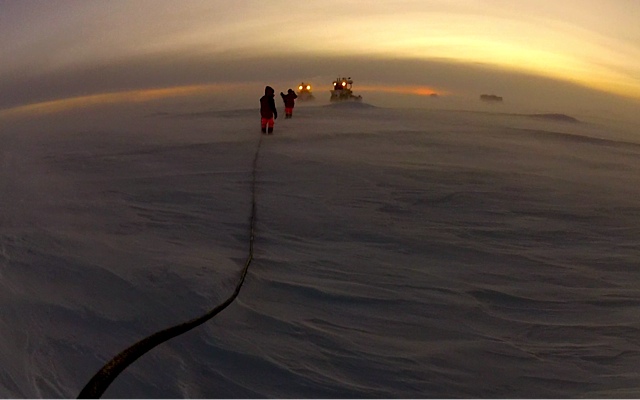
The expedition began back in late May with the team departing from Crown Bay along the Antarctic coast. The plan is to traverse the continent to the Ross Ice Shelf via the South Pole. Five members of the team are traveling on skis while others follow behind on tractors, which are fulling large sleds that serve as shelter from the harsh conditions and carry all of the team's fuel and food. This approach to traveling across the continent came about because of the complete lack of support the team would have along the way. Conditions are so bad there at the moment that no one would be able to provide a supply drop or come rescue them if they got into trouble.
And just how bad are the conditions? The team is routinely facing absolute temperatures of -50�C/-58�F. Wind chills have taken those temperatures closer to -70�C/-94�F however, which is almost unthinkably cold. Add in persistently snowy weather, the constant threat of crevasses and near-24 hour darkness and you begin to understand just what the men have been dealing with.
With that setting in mind, is it any wonder that they team has made very slow progress thus far? As of last Saturday, they were making their camp at S72 51' 13.5?, E023 33' 50.2?, which is still an awfully long way from the South Pole. Their ability to move forward has been hampered by blue ice, which is dangerous to cross, and the mechanical failure of one of the tractors. Repairs have been completed on the vehicle now, but they are still getting the expedition back on track.
All told, the journey is suppose to cover 2000 miles and take approximately six months to complete. That means that they aren't even to the half-way point, in terms of time or distance, just yet. That said, they will have to pick up the pace if they hope to finish the expedition on schedule and complete their stated goal of crossing the frozen continent during the winter. So far, not many things have gone their way and the finish line has to feel like it is an impossible goal right now.
You can follow the team's progress on their blog, through Facebook and Twitter. They post almost daily updates on their progress, which on some days is nearly non-existent. I'll bet these boys will be looking forward to some tropical weather once they have finished their mission.
Gear Closet: AKU SL Sintesti GTX Hiking Boots

AKU says that the Sintesti is designed for hiking and backpacking on a variety of terrain up to medium altitudes. Lightweight and comfortable, these are the kind of shoes that you can wear on your favorite local trail or take with you on a trek through the Himalaya or up Kilimanjaro. The shoe provides plenty of protection for your feet, keeping them well shielded from rocky trails. In fact, the ground here in Central Texas is actually very rocky, but the Sintesti had no problem keeping my feet from getting battered or overly tired, even on long walks.
These boots feature a Vibram Mulaz outsole that is tough as nails and provides excellent footing whether you're scrambling over rock or through deep snow and mud. When combined with a triple-layer internal midsole, it provides a rigid, yet comfortable ride that nicely cradles the foot and protects it from harm. Because of that rigidness, these shoes aren't quite as flexible as some lighter weight hiking footwear from the competition, although their performance is light years better.
Despite this outstanding level of protection for the foot, the Sintesti don't feel heavy or bulky when worn at all. On the contrary, they actually feel so good that you'll almost believe that AKU custom made them especially for you. The footpad molds itself nicely to the shape of your foot and the break-in period is quite fast, ensuring that your new pair of boots feels like a comfortable old pair of boots in no time.
Other features include a precision lacing system that extends to just above the toes, allowing you to cinch the boots to your liking. I personally prefer a snug fit when hiking, although I know others don't like their feet to feel confined. What ever your preference is, you'll be able to adjust the Sintesti to an optimal fit quickly and easily. The suede upper conforms nicely to your needs as well, wrapping the foot in an incredibly durable � not to mention good looking � shell.
AKU has incorporated a Gore-Tex liner which helps to keep the feet dry in a variety of conditions. When your they start to heat up, the liner wicks moisture away and when you're hiking through wet conditions, Gore-Tex will keep unwanted moisture out as well. As is typical with all products that use Gore-Tex, performance was excellent and my feet remained dry and happy at all times.
Like the SL Trek GTX boots that I reviewed last year, I am once again impressed with the high level durability that AKU has managed to instill in the Sintesti. These boots can take everything you throw at them and still come out looking just as good as new. I took them on muddy trails, across very rocky terrain, up and over boulders and through rushing streams, and except for showing a little dirt, they look like they've barely been worn. A good pair of hiking boots are an investment and this level of durability ensures that the Sintesti are a wise investment indeed. I would wager that anyone who buys these boots will have footwear to accompany them on their adventures for years to come.
AKU sells these boots for $249, which is about $80 less than the SL Treks that I recommended so highly last year. The Sintesti GTX delivers a similar level of performance with those boots but at a more affordable price. If you're in the market for a new pair of boots that can accompany you on nearly any hiking adventure, these are just the shoes you've been looking for. They are comfortable, durable and perform well even under the worst of conditions. Not all footwear displays that level of dependability, but you'll get all of that and more in AKU's SL Sintesti GTX hiking boots. And chances are, your feet will thank you.
Tuesday, June 4, 2013
Future In Doubt For Patagonian Expedition Race

The news broke earlier today in a local Chilean newspaper (translation required). Race managers Stjepan Pavicic is suspending the race for 2014 due to lack of local support from the authorities in the Patagonia region. As you can imagine, putting on a race of this caliber on an annual basis, particularly in a remote setting, can be very difficult. From the sound of things, it seems Pavicic doesn't feel like his race is getting the support it needs to thrive. This is particularly disheartening considering the amount of exposure it brings to the region and the revenue it generates for the local economy.
Pavicic has said that he will wait until June 10 to make a final announcement on the fate of the race. The hope is that perhaps one or two of the sponsors will step up to lend a hand, or perhaps a new sponsor might be interested in joining the team. Barring some kind of miracle however, it now appears that there will be no Patagonian Expedition Race next year. He does say he'll reassess the situation in 2015 to see if it is viable to bring back the event at that time.
So?? Any outdoor-oriented companies out there looking for a little exposure want to step in and save this great race? I'm sure the race directors would love to hear from you.
Video: Alex Honnold Goal Zero Commercial
After being featured on 60 Minutes a year so back, not to mention appearing in numerous magazine articles, blog posts, YouTube videos and television commercials, Alex Honnold seems to have become the face of rock climbing in many ways. He is also featured in a nice new add from Goal Zero that shows him free climbing a route called Fine Jade on The Rectory near Moab, Utah while sharing his motivations for why he climbs. At the end, he even uses one of Goal Zero's solar panels to recharge his cell phone so he can call home and let mom know he's safe. All in all, a pretty nice video for a commercial.
Motocross Champ Ryan Dungey Leads Cycling Event For A Cause

The MN Major takes place in Hastings, Minnesota and begins at the St. Croix River and runs to the mighty Mississippi and back again. The course winds through a scenic river valley that serves as a beautiful back drop for the cyclists, who can choose to ride either the full 100K (62 mile) length or a shorter 20 mile route. Both courses present unique challenges and are designed to be fun and interesting to ride.
While the event is not meant to be a race, those riding the Major Course will get a chance to compete with one another and show off their leg strength. At the mile 57 marker there will be a Hill Hauler challenge during which each rider's climb will be officially timed up a steep hill. The rider with the best time will take home a prize from one of the event's sponsors.
The event is one that is near and dear to the heart of Dungey, who lost his grandmother to cancer in 2005. In response, he wanted to do something to help a great cause while also combing his love for cycling and his home state of Minnesota. Because this event is so important to him, 100% of the proceeds go directly to the St. Jude Children's Research Hospital.
If you're going to be in the area and would like to take part in the ride, registration is now open with an entry fee of just $50. All riders are welcome and you can even register onsite on the day of the event.
The GB Row Challenge: The Toughest Rowing Race On The Planet?

The teams who have entered the race vary in size from as small as two crew members up to teams of six. Most are in traditional row boats designed for the challenges of open water, although one three man team is actually attempting to pedal a pedalo around the course. Some of the challenges they'll face will include rough seas, fast moving and ever-changing currents and unpredictable weather. They'll also have to navigate through some of the busiest shipping lanes in the world, while fending off the fatigue that comes with rowing a boat day in and day out for an extended period of time. All the while they'll be in sight of land, which presents a strong lure to quit when things get particularly difficult.
Just how long it will take to complete the race remains to be seen. The current record for completing the circumnavigation of the islands is 26 days, 21 hours and 14 minutes. That record was set by a crew of four men back in 2005. The women's record was set in 2010 and currently stands at 51 days, 16 hours and 42 minutes.
The GB Row does offer a substantial prize package for the winners. First place in any category goes home with �15,000 ($22,944), while second place wins �6,000 ($9177) and third place gets �4,000 ($6118). Additionally, any team that breaks the world record for the course will also receive an additional �100,000 ($152,960).
Each of the boats is carrying a Yellowbrick tracker that updates their position every hour on the hour. You can follow their progress on the race tracker page. Considering they've only been out on the water a few days, there is still a long, long way to go until someone reaches the finish line back at the Tower Bridge.
Thanks to Sylvia for sharing news of this race with me. It is much appreciated! Sylvia's friends Jason McKinlay and Josh Tarr are competing in the event as Team Savoir Faire. Good luck guys!
Adventure Kitchen: Sharkies Energy Sports Chews and A New Flavor From Clif Bar

Sharkies Energy Sports Chews
The first new option in my pantry are the tasty energy sports chews from Sharkies. These all-organic chews are designed to provide energy for our bodies for use in our favorite endurance sports. They provide a natural source of electrolytes, contain no trans fats or high fructose corn syrup. They also happen to be free of wheat, gluten and nuts, which means they are perfectly safe for those who have intolerances to any of those items.
The one thing these chews aren't lacking in is flavor. In fact, if I didn't know any better I'd swear these were gummy candies that you'd pick up from your local convenience store. That means they're sweet, tasty and good for you. They also happen to provide fuel for a workout without weighing you down in any way.
I've tested three different flavors of these chews � Watermelon Scream, Barry Blast and Fruit Splash � and it is a toss-up on which one I like best. I'm not even a big fan of watermelon flavored snacks, but these were a nice mix of sweet and tangy that I found I enjoyed quite a bit. The shark-shaped chews also have a nice consistency to them that makes them easy to enjoy as well. Other similar energy chews that I've tried in the past actually turned out to be a more challenging to eat than the actual workout itself.
Sharkies sells the chews in a box of 12 for $17.80, which works out to just $1.48 per pack. That's actually a very competitive price when compared to similar products on the market, many of which aren't nearly as tasty.
I've been munching on Sharkies prior to some longer runs recently and have been very happy with the results. Not only do they provide emergency fuel when I'm hungry before a workout but they do so without slowing me down in the least. The fact that manage to taste good while doing so is yet another added benefit.
Clif Bar Sierra Trail Mix Bar

The new flavor is called Sierra Trail Mix and just like the iconic snack that it is named after, it contains plenty of peanuts, chocolate and raisins all in handy bar that you can carry with you anywhere. Like the other bars in Clif's line-up, this new addition is an excellent source of protein and fiber, contains 23 vitamins and minerals, but zero trans fats. That means it is a great source of quick energy when your batteries start to run a little low.
I have a confession to make. I haven't always been a fan of Clif Bar products. There were times in the past that I found them to be dry, hard to swallow and mostly tasteless. Those days are long gone however and now I find that I enjoy pretty much every flavor in the line-up. I can now add Sierra Trail Mix to that list too. This new flavor is everything you like about traditional trail mix, but in an easy to carry and eat package.
This new addition to the line-up is well worth taste. Pick some up where ever Clif Bars are sold, which is just about everywhere if your neighborhood is anything like mine.
Monday, June 3, 2013
Video: Mountain Biking Down A Volcano
Looking for a new place to ride your mountain bike? Perhaps you should consider heading to the Spanish island of Gran Canaria. That's what pro riders Di Litta and Kilian Bron did recently and they found some surprisingly great terrain. The video below shows off their ride as they bomb down the side of a volcano. This is so good, you'll almost certainly be considering a ride of your own afterwards.
Everest 2013: Alan Arnette Recaps The Season That Was

With that in mind, Alan Arnette has written an excellent Season Recap which is a must read for those who have followed along this year. As usual, he does a great job of hitting the highs and lows of the season that just passed, offering up valuable insight and important nuggets of information that might otherwise slip past without much mention.
Some of the many things that get a mention include the record setting accomplishments of climbers such as David Liano, Kenton Cool and Dave Hahn. A new age record set by Yuichiro Miura and an outstanding year for female climbers in general. Of course, he also talks about the now infamous fight between Simone Moro, Ueli Steck and Jonathan Griffin and the angry mob of Sherpas that not only left the climbers bruised and battered but also gave mountaineering a black eye.
To say it was an active year would be an understatement, but in a lot of ways it was also a typical year too. Plenty of activity centered around the Big Hill and enough news to keep even the most ardent Everest junkies happy.
I was a little sad to see the season end as it always comes too swiftly and abruptly. The fall season in the Himalaya is a good distraction, but it just isn't the same. I guess we can all start counting the days until the 2014 season begins. Hopefully it'll be here before we know it.
Ladies Take Center Stage At Waikiki Classic

One such event is coming up next weekend, June 8-9, on Queens Beach in Hawaii. That is when the Roxy Waikiki Classic is schedule to take place, pitting some of the best female surfers in the world against one another, including reigning Longboard champ Kelia Moniz. But what really sets this competition apart is that while the pros will be demonstrating their considerable skills out on the water, amateur surfers are invited to get in on the fun as well. The competition is open to all female surfers ages 6 and up and is absolutely free to enter. There will be appropriate categories for entrants, and prizes and awards will be given away too.
What I absolutely love about this event is that the organizers have eliminated all the hurdles for entry. Amateurs can surf the same waves as the pros and while getting a sense of what it is like to compete in front of a big crowd, all without having to pay a hefty entry fee. That lets them go out and have some fun without having a major investment in how well they do and where they place. If this approach allows the event to draw in just a handful of new surfers to the sport, than it will be a success in my book. The fact that the Waikiki Classic is aimed directly at getting girls more active is just icing on the cake. Event sponsor Roxy is an active and lifestyle apparel brand for ladies, and should be commended for their efforts in this area.
If you happen to be in Waikiki next weekend and you're looking for something to do, drop by the Classic and get in no all of the fun. Not only will there be plenty of action out on the waves, there will be games and activities taking place on the beach as well. Plus, it'll be a good chance to cheer on these athletic ladies, both amateur and pro.
2013 Pakistani Climbing Season Ramps Up
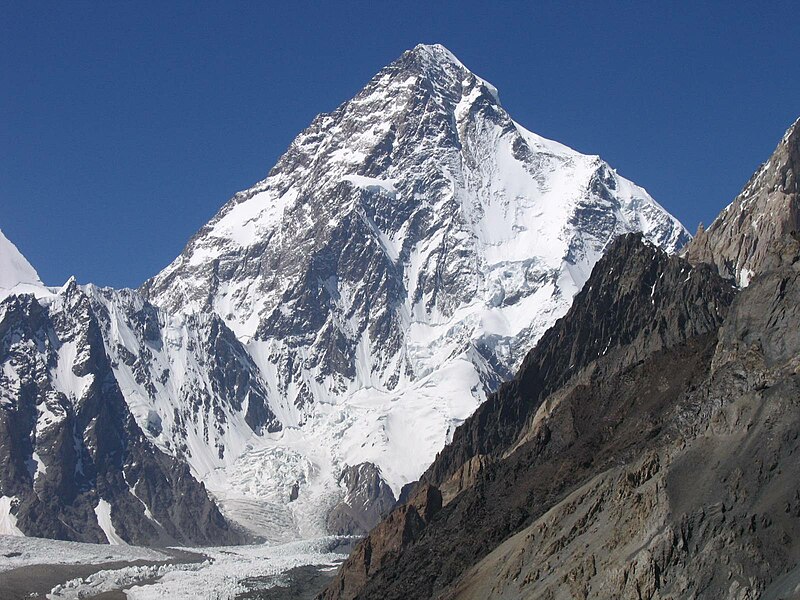
Chief amongst the Pakistani big peaks is K2 of course. Standing just 237 meters (777 ft) shorter than Everest, it is the second tallest mountain on the planet. It just might be the toughest to climb however. Due to its myriad of technical and logistical challenges, not to mention unpredictable weather, K2 has earned itself a reputation for being the "mountaineer's mountain." Its harsh and unrelenting challenges, which has resulted in the second highest fatality-to-summit rate (behind Annapurna), has also earned it the nickname of the "Savage Mountain." Successful summits are few and far between on this peak, although there will no doubt be several teams trying it again this year.
Other 8000 meter peaks in Pakistan include Broad Peak (8051 m/26,414 ft), Gasherbrum I (8080 m/26,444 ft) and II (8034 m/26,358 ft) and Nanga Parbat (8126 m/26,660 ft). Each of those mountains presents its own unique challenges that sets them apart from each other and the Himalayan peaks that are typically climbed in Nepal and Tibet. Nanga Parbat for instance is known for its incredibly difficult technical challenges while BP requires a great deal of endurance to summit. The Gasherbrums happen to be quite remote, even by the standards of these big mountains, which presents some difficulties just getting to Base Camp.
Throughout June and July we'll get updates from these, and likely other mountains in Pakistan. Some teams will go to acclimatize on Broad Peak then attempt K2. Others will be satisfied with taking on just one of these mountains. And while it won't be nearly as active as the Himalayan climbing season, there will still be plenty of news to report and interesting stories to tell. Hopefully I can do my best to help share some of them with you.
Stay tuned for more updates in the days ahead. Climbers are just now arriving in Islamabad and the Pakistani climbing season is just about to get underway.
Gear Closet: Cocoon Ultralight Air-Core Hood Camp Pillow

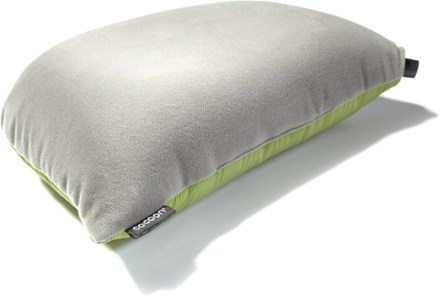
The pillow is made of a durable nylon fabric that is designed to stand-up to the rigors of travel. Whether you're spending the weekend in a local campsite or thru-hiking the Appalachian Trail, this pillow will be with you every step of the way. Best of all, you will barely know it is in your pack, at least until the end of the day when you're ready to curl up for a good night's sleep. The Ultralight Air-Core pillow weighs in at just 3.5 ounces (100 grams) and when stored inside its included stuff sack, it is smaller than a can of Coke.
Removing the pillow from the stuff-sack reveals that is bigger than I had initially expected. It covers an area of 12" x 16" (30 x 40 cm), which is large enough for all but the most restless of campers. In one corner there is a high quality air valve that allows you to quickly inflate it to its full size with just a few breaths. The valve also helps you to adjust the level of firmness as well, setting it to your personal level of comfort. I found it best to fill the pillow to capacity and then seal it with a quick twist of the valve. From there, its a cinch to slowly release the air to get everything just right.
Cocoon has put quite a bit of thought into the design of this product that helps to make it easy to recommend to backpackers, campers and even adventure travelers. For instance, half of the pillow is covered in a soft microfiber while the other half remains nylon. The microfiber makes for a warmer sleeping experience, but if you get too warm, you can simply flip the pillow over for a cooler surface on which to rest.
If you're in the market for a comfortable and durable camping pillow for your next backpacking trip, it's hard not to recommend Cocoon's excellent offering. It is everything you could ask for � small, lightweight and versatile. On top of that, it is also highly affordable. MSRP is just $25.95. At that price, how can you afford to not have one in your pack?
Friday, May 31, 2013
Video: Awesome Students Paddle 100km In Kayaks Made Of Plastic Bottles
A few weeks back, 25 amazing students completed a 100km (62 mile) paddling expedition down the Whanganui River on the North Island in New Zealand. That alone would be a pretty cool story, but they also made the journey in kayaks made out of plastic bottles. The video below gives us a glimpse of that journey and those kayaks, which I have to say look fantastic. A longer documentary of their adventure will come later and you can find out more on the group's Facebook page.
Thanks Lou-Phi for sharing this great video! Great stuff!
Thanks Lou-Phi for sharing this great video! Great stuff!
With The Spring Himalaya Season Over, All Eyes Turn To Denali
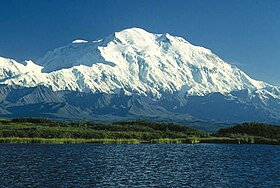
One of the hallmarks of Denali is its ferocious weather which can be felt at nearly any time of the year, but is a bit more predictable during the warmer summer months. While it doesn't match the stature of the big Himalayan peaks, or even some of the mountains in the Andes, it's particularly high latitude presents its own issues. For one, high winds and cold weather temperatures are common and the barometric pressures make Denali seem like a mountain that is much taller than its 6194 meters would imply.
Denali also happens to have the greatest vertical gain of any mountain on the planet, rising some 5181 meters (17,000 ft) above the surrounding countryside. In comparison, Everest rises to a higher overall altitude, but it is a mere 3962 meters (13,000 ft) above the area around it. These interesting characteristics of Denali help to make it a popular climb, particularly with those who have aspirations of taking on an 8000-meter peak at some point.
Interestingly enough, ExWeb has an article today that reports that there has been exceptionally great weather on Denali so far this season. That has led to a surprisingly high success rate for so early in the season. According to the story, more than 157 climbers have already summited this year, with 226 total attempts. That puts the success rate at 69%, far above the typical 52% that is the historical average and light years better than last year's dismal 41%. 2012 was an especially bad year for weather with very few good windows for going up to the summit.
ExWeb says that there are 984 climbers registered to attempt Denali this year and most of them (909) will go up the standard West Buttress route. At the moment, there are 397 climbers on the mountain, with the biggest pushes yet to come. The National Park Service actually limits the number of permits issued (what a novel concept!) to just 1500 during the peak season to help keep congestion to a minimum and allow them to lend aid as needed. With this spate of good weather, it has been reportedly quite thus far.
Over the coming weeks we're sure to hear a lot of stories about the climbs on Denali. One of the more prominent teams that we'll be watching will be the aptly named Expedition Denali, a group that consists of all African-American climbers who are hoping to inspire youth of color to follow in their footsteps and to become more engaged with outdoor adventure. A worthy cause to be sure.
Video: Remains Of A River - Source To Sea On The Colorado
From October of 2011 through January of 2012, Will Stauffer-Norris and Zak Podmore traveled the length of the Colorado River. Their journey began in the Wind River Mountains of Wyoming, the source of the mighty waterway, and it didn't end until they reached the Sea of Cortez. Along the way, they got to know the river intimately and documented their journey. The short film below is a documentary of that journey, and while it is a few months old at this point, I still thought it would be of interest. It is beautiful, powerful and moving. Defintiely worth your time if you have 45 minutes free to enjoy it.
Remains of a River: source to sea down the colorado from NRS Films on Vimeo.
2013 Checkpoint Tracker Championship Coming To Knoxville

This year's race will be a 30 hour event that will feature over 100 miles (160 km) of racing on a course that will include the usual trail running, mountain biking and paddling. But there will of course be a few new wrinkles added including cave trekking, orienteering and even shooting. The course is said to offer unprecedented access to the wilderness areas near Knoxville, offering up some surprises that will even surprise some of the locals.
Registration for the event is already open and if you register before June 7, your team will save $50/racer. With more than 30 teams already entered, the race already has some top contenders from across the U.S. And if you'd like a few tune-up races ahead of time, there are plenty of Checkpoint Tracker events taking place throughout the country this year.
Whether you're a veteran adventure racer or new to the sport, the CPT events are a great place to test your skills, meet other racers and experience some great outdoor environments. It's not too late to put a team together and enter a few races this summer.
Nobody's River Project: 4000 KM Down The Amur River

This summer, a team of four adventurous women intend to paddle the length of the Amur beginning at its headwaters in the Onon River, which have their origins in the Khentii Mountains of Mongolia. Their journey will cover more than 4000 km (2485 miles) taking them source-to-sea before ending in the Pacific Ocean Delta. Along the way, they hope to collect data about this important watershed, while capturing images of the wild places they visit. They also hope to speak directly with the locals to get a better sense of the environment in which the Amur River flows .
With their gear packed, their basic plan outlined and their travel plans made, the ladies are about to embark on this ambitious adventure. The team includes Becca Dennis, Sabra Purdy, Amber Valenti and Krystle Wright, all of whom are about to depart for Mongolia and the launch of their expedition. They have named this endeavor the Nobody's River Project and they have invited us all to follow along with their progress. Over the next few months, they will be posting updates to their blog and Facebook page, as well as sharing stories on the National Geographic Adventure website and its Facebook page as well. It is sure to be quite an experience and one that will certainly be worth following.
Good luck to Becca, Sabra, Amber and Krystle as they depart for Mongolia and the adventure of a lifetime.
Thursday, May 30, 2013
Video: Breaking Up With Your Slow Running Partner
We've all been there. We love the person we're with, but they simply can't keep up with us when we're running. What to do? Cut the dead weight of course! Something that is painfully (read: hilariously) depicted in the video below, which is actually a promo for a new line of running shoes that are coming our way courtesy of Pearl Izumi. The new shoes are allegedly incredibly light weight, yet still super-comfortable, allowing you to run faster and more efficiently then ever before.
You'll have to run pretty fast if you treat your significant other like some runners in the video.
You'll have to run pretty fast if you treat your significant other like some runners in the video.
Has Amelia Earhart's Plane Finally Been Found?

On July 2, 1937, Earhart, along with her co-pilot Fred Noonan, were en route to Howland Island where they had planned to take on fuel to continue their journey across the Pacific. Although their radio signals were heard by a nearby naval vessel, Earhart couldn't receive voice transmissions from the ship. As a result, she and Noonan were unable to locate the island and eventually ran of fuel, going down somewhere in the South Pacific.
Members of the The International Group for Historic Aircraft Recovery (TIGHAR) has long believed that Earhart was able to successfully land her plane on a coral reef near Nikumaroro and that she and Noonan survived as castaways for some time there. Artifacts discovered there led them to launch a search operation last summer that came away without any real solid evidence to support their theory however, but they did bring back a lot of data to sift through. The sonar readings were just a part of that data, which is now being examined throughly.
According to TIGHAR researchers, of all the sonar readings they took, none returned any useful information save this one. It purportedly shows a small debris field located at a depth of approximately 200 feet. The debris could be consistent with the parts of an aircraft that may have sunk and has slowly slid further down the reef. The debris ends at a larger object that is roughly 22-feet in length, or about the size of the Electra.
Further analysis of the readings indicate that the object is not a rock or other natural mass. It also lines up consistently with where it is believed that Earhart would have set the plane down on the reef. There are indications of drag marks on the reef itself, which show evidence of the object's movement over time.
Of course, the only way to be sure is to send another research team out to the island to investigate. That isn't an inexpensive proposition however and TIGAR estimates it will cost about $3 million to mount yet another journey to Nikumaroro. The non-profit group is currently looking to raise funds to do just that and they're hoping that some wealthy benefactor will want to see the mystery of Amelia Earhart solved as well.
Perhaps they should take their case to Kickstarter. I'm sure there are a number of history buffs like me who would be willing to contribute to the cause.
Video: BASE Jumper Leaps From Everest
Everest is the gift that keeps on giving this year. Just when I think I'm about to put an end to the stories from the Himalaya, something new gets on my radar and I just have to share it. In this case, it is the video below which features Russian BASE jumper Valery Rozov, who jumped from an altitude of 23,687 feet (7220 m) on the North Side, claiming a record for the highest altitude BASE jump ever. He then proceeds to glide for a bit, hitting speeds in excess of 125 mph (201 km/h) while enjoying the ride in his wingsuit, before eventually opening his parachute and gliding safely to the ground. Wild stuff. I now expect someone to find an even higher place to leap off of soon. The BASE jumping Altitude Wars have only just begun.
The Story Behind Kenton Cool's Amazing Himalayan Triple-Header
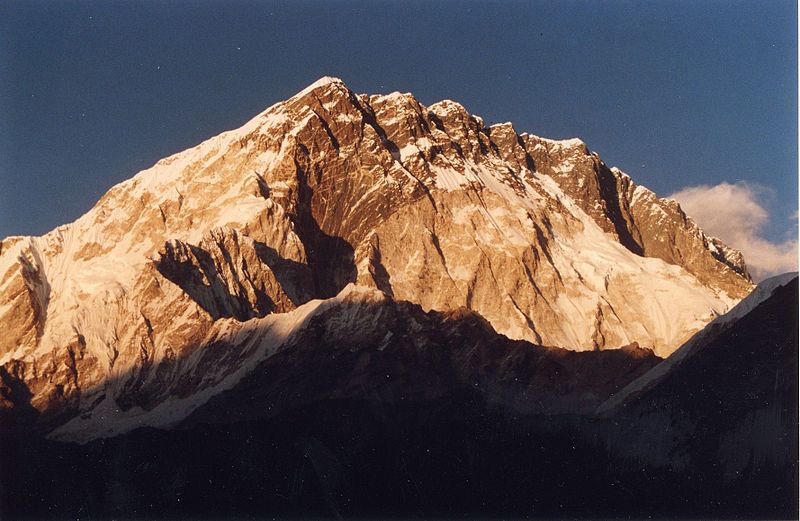
Since completing this ambitious expedition we've heard snippets of Kenton's tale but post climb exhaustion, a busy travel schedule and difficult communications from Nepal haven't allowed us to fully grasp the details. At least until now.
Alan Arnette has interviewed Kenton for Outside Online and the story is just as riveting as you would imagine. Alan gets all the details starting from how the idea to climb all three mountains came about, what events allowed for Cool to make the attempt this season and what it was like to bag a trio of Himalayan peaks in succession. As you can imagine, it was no easy task and there were a number of obstacles along the way, both physical and mental.
The article is a good read with lots of insights into climbing big mountains � Nuptse, Everest and Lhotse in particular. You'll come away with an even greater respect for Kenton's accomplishment, which is one of the most daring in recent memory as far as I'm concerned.
Just How Deadly Are The 8000 Meter Peaks?
Each year, about this time, there is a lot of talk in the media about how dangerous it is to climb Everest and to a lesser extend the other 8000 meter peaks. Typically we're coming of another spring climbing season in the Himalaya and the non-climbing public is shocked to hear that 8 or 10 people have died on Everest. It makes good headlines for the mainstream media that is looking to drum up traffic, even if the stories ignore the fact that hundreds of people successfully summit.
With that in mind, yesterday The Economist published an infographic that compares each of the 14 8000-meter peaks in terms of the number of successful summits vs the number of deaths. You can find that graphic below and I think it speaks quite clearly for itself.
Some of the numbers are surprising and some are sobering, particularly when you look at K2 and Annapurna.

With that in mind, yesterday The Economist published an infographic that compares each of the 14 8000-meter peaks in terms of the number of successful summits vs the number of deaths. You can find that graphic below and I think it speaks quite clearly for itself.
Some of the numbers are surprising and some are sobering, particularly when you look at K2 and Annapurna.

Wednesday, May 29, 2013
The Rest of Everest Episode 189: Practice Makes Perfect
This week on The Rest of Everest we head back to Broad Peak, where the team is now in Base Camp and working on some all important skills before they begin heading up the mountain. While of course everyone is eager to get started, there is always work to be done before the real climb can commence. This episode shows us the team focused on their prep work that will hopefully eventually pay off with a successful summit.
Video: The Escape - Mountain Biking Through British Columbia
If you're hungry for a mountain biking adventure of your own, but don't have time to hit the trail anytime soon, perhaps this short film can help fill satiate your desires. It features two riders who set out to explore British Columbia on mountain bikes, riding from Whistler to the Strait of Georgia, then on to Squamish, the Sunshine Coast, Powell River, Cumberland, Hornby Island, Parksville, Duncan and Saturna Island. The journey was certainly a beautiful one and the video captures the natural wonders of those locations very nicely. It is over 16 minutes in length, so be sure to get settled in for the duration. I promise its well worth your time.
the escape from Union Production Co. on Vimeo.
Everest: 60 Years On The Mountain

But I'd be remiss if I didn't at least write a brief post commemorating this important date. It was 60 years ago today that Edmund Hillary and Tenzing Norgay became the first men to successfully summit the mountain. They were part of a large British expedition that arrived in the spring of 1953 that was intent on conquering the mountain for Queen and Country.
The team arrived in Base Camp on the South Side of the mountain in March of that year. They came with more than 400 people, including 362 porters and 20 Sherpa mountain guides. They reportedly had over 10,000 pounds of baggage that included their high altitude climbing gear, food and other supplies that they would need for a prolonged stay on the mountain.
Hillary and Norgay were not the first team selected by expedition leader John Hunt, who named Tom Bourdillon and Charles Evans as the squad that would attempt the summit first. They climbed as high as the South Summit, which put them just 300 feet (91.5 meters) below the actual summit. But Evan's oxygen mask suffered a malfunction and the men were forced to turn back. That gave Hillary and Norgay the chance they had been waiting for.
Poor weather delayed their climb, keeping them at the South Col for a few days. But when the skies cleared they moved up, working together as a team. The last hurdle that they needed to overcome was a 40-foot (12 meter) rock wall that fell just below the summit. Hillary free climbed it and lowered a rope to Norgay. That wall would later become known as the Hillary Step.
With that final obstacle out of the way, the two men ascended to the top of Everest together. Neither of them would ever say who reached the top first. It was a group effort all the way and they shared in the glory of becoming the first men to summit the mountain. Hillary and Norgay would remain friends until the Sherpa passed away in 1986, sharing a bond that would forever link them in mountaineering history.
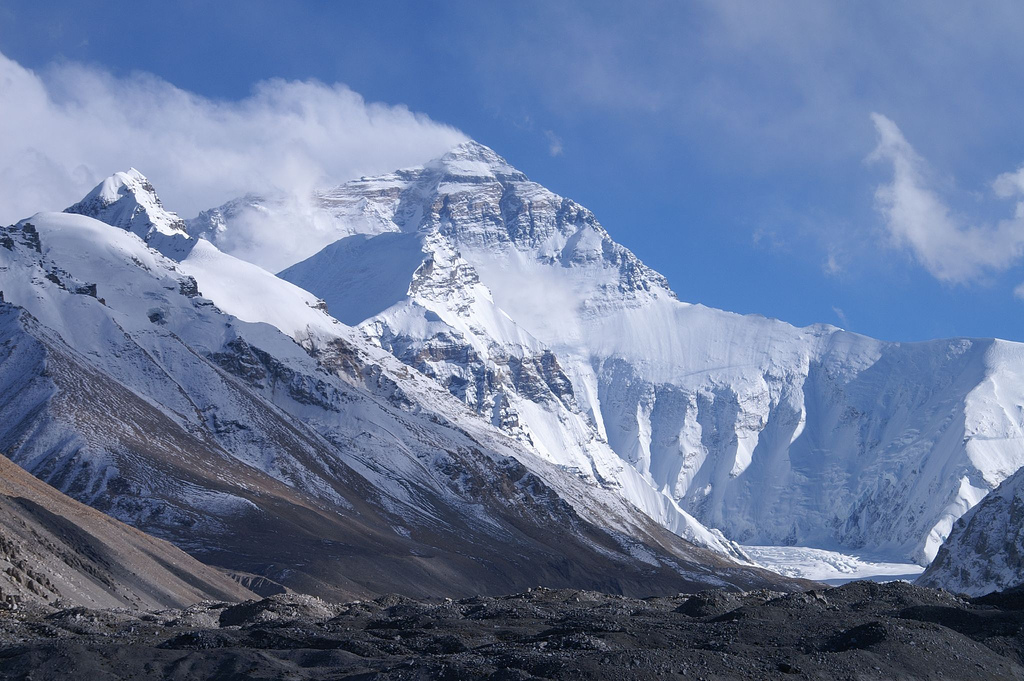
Hillary would go on to lead a life of high adventure. He continued climbing in the Himalaya of course and he also visited the South Pole as part of the Commonwealth Trans-Antarctic Expedition in 1958. He even led an expedition by jet boat up the Ganges River in 1977, going in search of its source.
Back home in New Zealand, he was a national hero, having been knighted by the Queen for his efforts. He even adorning the $5 bill there, an honor reserved for very few. But he also felt a strong kinship to the people of Nepal and he spent a lot of time in that country over the years. His generous charity work has left a lasting legacy with the people of that country, helping to build hospitals and schools with the help of his Himalayan Trust.
Sir Edmund Hillary passed away on January 11, 2008.
Norgay also continued climbing after finding success on Everest. He became the first Director of Field Training at the Himalayan Mountaineering Institute and continued to lead expeditions throughout the region. He was the Sirdar, or lead guide, of the first tourist expedition to Bhutan when that country first began opening to the public in 1975. He too remains a legendary mountain figure in his home country, where the airfield in Lukla, the starting point of the trek to Everest, has been renamed Tenzing-Hillary Airport in honor of the two men.
If you're an Everest fan, take a little time today to reflect on the achievements of Hillary and Norgay. The two men that showed the rest of us the way and did so with class and honor.
Everest 2013: A Ladder At The Hillary Step?
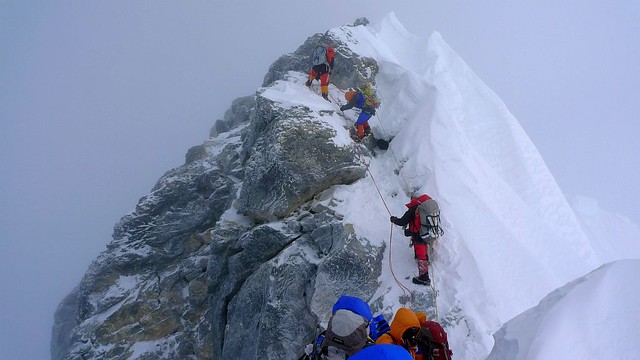
For those who aren't familiar with the landmarks of Everest on the South Side, the Hillary Step falls at about 8763 meters (28,750 ft) and is the last major obstacle to overcome before reaching the summit. It is described as being relatively easy for anyone who has rock climbed before, although the altitude, weather and sheer exhaustion can all make it more challenging than it should be. The proposed ladder would make it much easier to descend and could greatly reduce traffic jams at such a high altitude. One of the biggest complaints about Everest in the past few years has been all of the crowds on the mountain, some of whom are put in jeopardy because they must stand in line while they wait their turn to go up. Sometimes they can end up waiting for hours, which isn't particularly safe in poor conditions.
As many of you probably know, there is a ladder in place on the North Side of Everest that is used on the Second Step there. That rock climb is much longer and more difficult than the Hillary Step however and it is doubtful that most people would be able to reach the summit without it.
For a good explanation of the logistics of all of this, I'd recommend reading Alan Arnette's thoughts on the addition of a ladder to the mountain. He is decidedly against the plan saying that anyone who comes to Everest ought to have the fundamental skills necessary for completing the climb. Alan also notes that just how the ladder would be installed on the Hillary Step remains a bit of a mystery, although I'd have to think that the Sherpas have some kind of plan in mind.
Personally, I don't have a problem with adding the ladder if it means the mountain will be safer for the climbers. After all, they are already used on other parts of the mountain, including in the Khumbu Icefall, albeit in a different manner. We all know overcrowding is an issue on Everest and while this is a way to help break-up one of the bottlenecks, it isn't going to solve the issue of overcrowding itself.
By all accounts, 2013 looks to have been another record year for the number of summits on the mountain, and it doesn't seem like that trend will change anytime soon. In my opinion, the only way to lessen the crowding is to issue fewer permits to climb. But of course, that isn't going to happen as all of these commercial expeditions mean big business and lots of cash for Nepal.
It should also be noted that traffic jams didn't seem like they were much of a concern this year. We certainly didn't have images of long lines like the ones we've seen in years past. Part of what made it work so well this time out was how the final weather window stayed open for an extended amount of time. With the forecast looking promising, some teams remained patient and waited until he rush was over before proceeding up. We can't count on that being the case every year however, so anything that can help lessen the long lines will be much appreciated by all involved.
Obviously interest in climbing Everest is only increasing. Traffic jams have become part of the culture on the mountain. Until something tragic happens, they are likely to remain there.
Microsoft Teams With David Breashears To Bring Everest Home
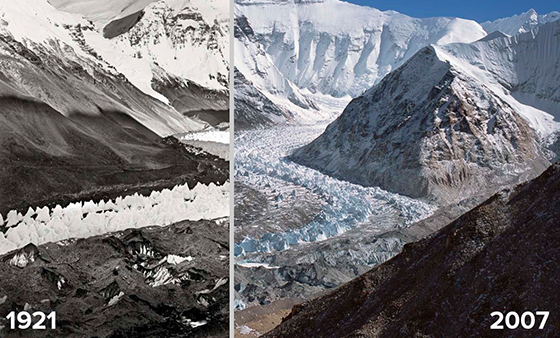
The project combines some of the high-resolution imagery that Breashears took as part of his Glacierworks project with the touch-technology behind Windows 8 and Internet Explorer 10, to create an experience unlike any other. Visitors to the site will be able to take a virtual trek up the Khumbu Valley, visiting many well known places along the way like Lukla, Namche Bazaar and Gorak Shep, before arriving in Everest Base Camp itself. Beautiful panoramic shots capture the region nicely, as does a spectacular video fly-by of Everest itself.
The Everest: Rivers of Ice website is created with HTML5, which means it should work on any browser that supports that standard. But to get the true effect in all its glory, you'll definitely want to check it out on Win 8 and with IE 10. Not only will it give you a sense of the scale of the mountain itself, it'll also show you what it is like to trek through the Himalaya just to get there.
I've written about Glacierworks before and feel that it is an important project for raising awareness of the impact of global climate change on the glaciers in the Himalaya. Breashears has taken photos of the Khumbu Valley from today and compared them to images taken the same spot in the past and the differences are alarming. The glaciers are in full retreat, taking a vital source of water for the people of the Himalaya with them. This is becoming a serious issue and projects like this one are helping us to understand the implications. Be sure to check out Everest: Rivers of Ice for more about the changes in the region and to take in the beauty of the mountains yourself.
Tuesday, May 28, 2013
Video: Jr. Filmmaker Captures Close Encounter With A Whale
I've always thought that whales are some of the most amazing creatures on our planet. That opinion is only reinforced by the video clip below which features a playful gray whale that approaches close enough to a boat to let its inhabitants touch the large mammal. The footage gives us some great shots both above and below the water and was shot recently by 13-year old Eric Lindblad while on an aquatic adventure to Magdalena Bay.
It looks magical there.
It looks magical there.
Kayak Sessions Magazine Announces Entries For Short Film Awards
Looking to get your paddling fix in video form? Then you'll definitely want to checkout the latest entries in Kayak Session magazine's annual Short Film Awards. As of now, there are five outstanding entires, although submissions are still being accepted if you have a film you'd like to share. For consideration, your film must be under five minutes in length and it will be judged on cinematography, editing, image quality, storytelling, creativity and kayak performance. The first place winner will receive $5000 cash, with $2500 going to second place and $1000 to third.
My favorite entry so far is the video you'll find below. It follows a team of paddlers into the High Atlas Mountains of Morocco as they go in search of epic new runs. They find some surprisingly great water to explore along the way. This beautifully shot video captures that adventure quite nicely.
My favorite entry so far is the video you'll find below. It follows a team of paddlers into the High Atlas Mountains of Morocco as they go in search of epic new runs. They find some surprisingly great water to explore along the way. This beautifully shot video captures that adventure quite nicely.
Himalaya 2013: Dhaulagiri Claims The Life Of Juanjo Garra

After the story broke, we learned that Simone Moro was bringing his rescue helicopter to Dhaulagiri to lend a hand and other climbers were en route to help bring Garra down to an altitude where he could be flown off the mountain. Unfortunately that assistance couldn't get to Juanjo's position in time and over the weekend he succumbed to his injuries and prolonged exposure, passing away Sunday despite the best efforts of his rescuers. The ordeal was a long one for everyone involved, as Garra and Kheshap spent three days on the mountain without shelter or sleeping bags for protection. Kheshap was able to get down safely and is reportedly being treated for his injuries in Pokhara.
The efforts taken in a high altitude rescue are great but of course extremely dangerous. When the operation was first launched, three Sherpas from Everest were flown to Dhaula and dropped off with medical supplies at 6200 meters (20,341 ft). They were unable to reach Juanjo's position on the first day however and although they continued up the following day, bad weather prevented them from once again getting to Juanjo, who had been assisted down a few hundred meters by Kheshap.
During the second day, Simone was swept the slopes looking for the missing climber and his guide, but to no avail. He did located a missing Indian climber and helped bring him down the mountain however, so his efforts were still fruitful.
By the third day, a very strong team of climbers had assembled on the mountain to attempt a rescue of Garra. Bad weather once again prevented them from being shuttled up to as high of an altitude as they would have liked, but setting out from Camp 2 they still hoped to be of some assistance Meanwhile, the Sherpas from Everest did finally reach Juanjo's position where they immediately provided medical aid and much needed food and water. Despite those efforts however, the Catalonian passed away a short time later.
This is a sad story to cap the 2013 Himalayan season on. Like Everest, most of the other mountains in the region are now deserted and for something like this to happen near the end is just tragic. Garra was no doubt feeling good following his successful summit, only to have everything come crashing down a short time later. Surviving for nearly four days at altitude without shelter or food must have been brutal. My thoughts go out to Juanjo's friends and family int his sad time.
Those that so unselfishly lent a hand to the rescue efforts should be commended as well. They risked their own health and safety to try to save Garra. In addition to the Sherpas, climbers Dominik Mueller, Alex Txikon, Ferran Latorre and Jorge Egocheaga showed the true spirit of the mountains by trying to assist their fallen friend. It is at times like these when we see how closely bonded the mountaineering community truly is.
Thanks to Asim Gupta for keeping me up to date on all of these efforts the past few days. With the long holiday weekend here in the States, I was away from my computer more than normal. It was sad to receive the final news after following the efforts for several days.
Everest 2013: The Lonely Mountain

That all said, there is at least one expedition still climbing the mountain. 81-year old Nepali climber Min Bahadur Sherchan is still holding out hope of reaching the summit sometime this week. Alan Arnette reports that Sherchan is determined to reclaim his record as the oldest to summit Everest after Japanese climber Yuichiro Miura took the title last week at the age of 80. After struggling with a stomach bug a few weeks back, Sherchan is said to be feeling good, climbing strong and ready to top out. Alan says that he has five Sherpas climbing with him, providing plenty of support. The final deciding factor in whether or not he reaches the summit will probably be the weather. The forecasts this time of year are subject to change very quickly and with the Monsoon approaching, the mountaintop may be put out of reach at any day. We'll just have to wait to see if Sherchan can bring the record back home to Nepal.
Either way, getting back off the mountain could be a real challenge for anyone still there. Over the weekend, a major section of the Khumbu Icefall collapsed, taking the route that is used to cross it down. That is not uncommon this time of year as warming temperatures make the area very unstable. In fact, the Ice Doctors would normally be wrapping up their efforts for the season and closing the route anyway. Since there is still a team attempting the summit, it is unclear at this time of they are rebuilding the route or simply closing it off. It is possible that after Sherchan's team completes their climb, they will be shuttled off the mountain via helicopter. Time is certainly of the essence in any case however.
Finally, Chad Kellogg has posted a long and detailed account of his summit bid last week. You may recall that he was hoping to attempt a speed record and it sounds like things were actually going well until high winds forced him to abandon the attempt just 1800 feet (548 meters) below the summit. When the winds picked up, the temperatures dropped, and since Chad was climbing without bottled oxygen, that greatly increased his chances of contracting frostbite. He was above the Balcony when he made his decision to turn back, dejectedly returning to Camp 4.
According to his report, Chad said that he was moving well and feeling great. In fact, when he turned back, he still had seven hours to go to complete those last 1800 feet, which can be agonizingly difficult and slow. Despite the disappointment of being denied the summit again, Chad says that he learned a lot from the climb and feels good about his efforts. He is happy to be heading home, healthy and with all of his limbs intact.
I'll continue to monitor activity on Everest over the next few days to see if there are any more summits or news to share. For the most part, the mountain is all but closed for spring, but it seems we'll get at least one or two more updates over the next few days.
Subscribe to:
Comments (Atom)